
Mid-Sentence
ByHe reminded me of a little banty rooster. Elderly, feisty, alert, coherently answering my questions as I worked through my assessment. HIPAA prevents me from providing details, but I can share that, in my EMT-Paramedic years, I provided care for one of Huey P. Long’s former bodyguards. And he was a talker.
It was the early 1980s. Upon our arrival, he complained of only mild distress. I could not help but notice the walls around him were crowded with memorabilia: ancient Huey P. Long campaign signs, framed photographs, and, just above the worn easy chair on which he perched, a boxing poster, its paper now faded yellow, its fighter crouched with fists cocked and ready.
When I inquired about the decor, he directed my attention to the photographs.
I looked closer.
Most were black and white, some fading to sepia with age. Most featured a younger version of my patient standing beside Governor Long or among groups surrounding him.
He was, he stated, one of the governor’s bodyguards. Then he practically hopped on my stretcher.
The walls alone would have captured my attention but there was more to it than that. My interest in Huey P. Long can be traced all the way back to age thirteen, when I plucked T. Harry Williams’ Pulitzer Prize-winning biography of the Kingfish off my aunt’s bookshelf and devoured it in days. Williams was a friend of my aunt and uncle when he taught at LSU, though I never met him. That book sparked my lifelong interest in politics.
And as I examined the former bodyguard, assessing his condition and initiating care, he just kept talking, pausing only long enough to comply with my probing into his medical complaints.
Nobody has ever agreed on what happened in that corridor of the Louisiana State Capitol on September 8, 1935. The most widely accepted account says Carl Weiss, a young Baton Rouge physician whose father-in-law, Judge Benjamin Pavy, was being targeted and destroyed by Long’s political machine, confronted Huey that night and fired the fatal shot. But the other theory, stubborn and persistent, says Weiss never fired at all. That Long was accidentally cut down by his own bodyguards, firing in a panic in a crowded corridor.
Decades of debate. No consensus. And here I was, riding in the back of an ambulance with a man who had been there. He looked small on my stretcher. But I could picture him, his boxer’s frame filling out a 1930s suit, crouching with gun drawn amid the chaos.
Did I ask my patient what happened to Huey on the day of the assassination? Of course I did. Could I be transporting the man who accidentally shot Huey?? Did he see, through the haze of gunfire, Weiss fire the fatal bullet? The former bodyguard had some things to say. As I worked, I soaked it all up like a bone-dry sponge tossed into a bucket of water. Every word.
Suddenly, mid-sentence, he grew quiet. Then he coded. Normal sinus rhythm to V-Fib. Unexpected but not unprepared. I scrambled. One shock. Boom. I had him back. But boy was he pissed.
He rebounded swiftly, arriving at the hospital awake, breathing on his own, and bitchin’. The ER staff had to be convinced, with the help of the EKG recordings, that our glinty-eyed fighter really had required resuscitation. Most patients in that situation, regardless of what television and movies depict, arrive unconscious, intubated, ventilated by Ambu bag, and sporting a few broken ribs. Not this guy.
So… just for the record, before the stories ceased and the electricity was transdermally delivered, the former bodyguard blamed Franklin D. Roosevelt. Not Weiss. Not himself or his fellow bodyguards. He said FDR knew Long was gonna win the presidency and was determined not to let that happen. He did not explain exactly how FDR accomplished the grim feat. Perhaps he could not. Or perhaps, after fifty years, the story had become the shape he needed it to be.
But he was adamant. He blamed FDR. “That goddamn Roosevelt!”
So there you have it. For what it’s worth, straight from the mouth of someone who was there. His words to my ears.
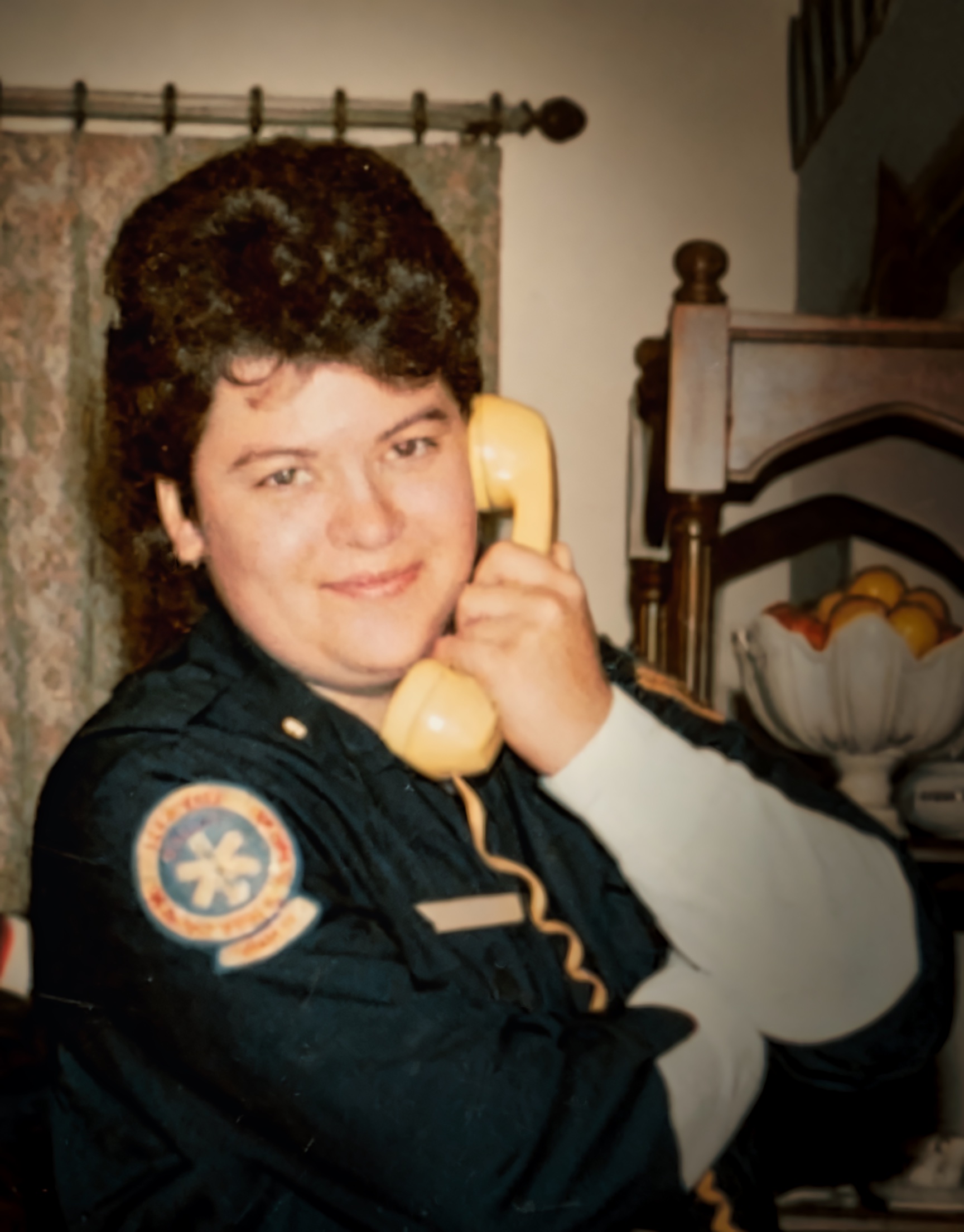
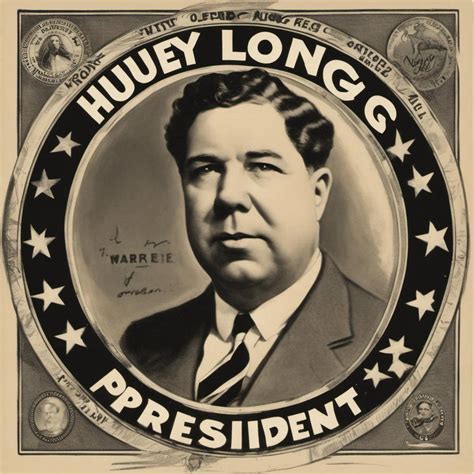
Link to the article that prompted this memory. Happy to see that Our Lady of the Lake, a facility that moved in 1978 to its present location, growing by leaps and bounds and becoming a first class teaching facility, thought to preserve these historical artifacts and donated them for display. I returned to Baton Rouge in 1984, taking a job at East Baton Rouge Parish EMS and delivered many patients to this facility. I will be visiting the exhibit cited in the article and while there will surely picture that little banty rooster bodyguard, standing near the bed, hat in hand, watching his boss slip away. – – Lynn McMorris
 Muddy Water & Mischief
Leave a comment